
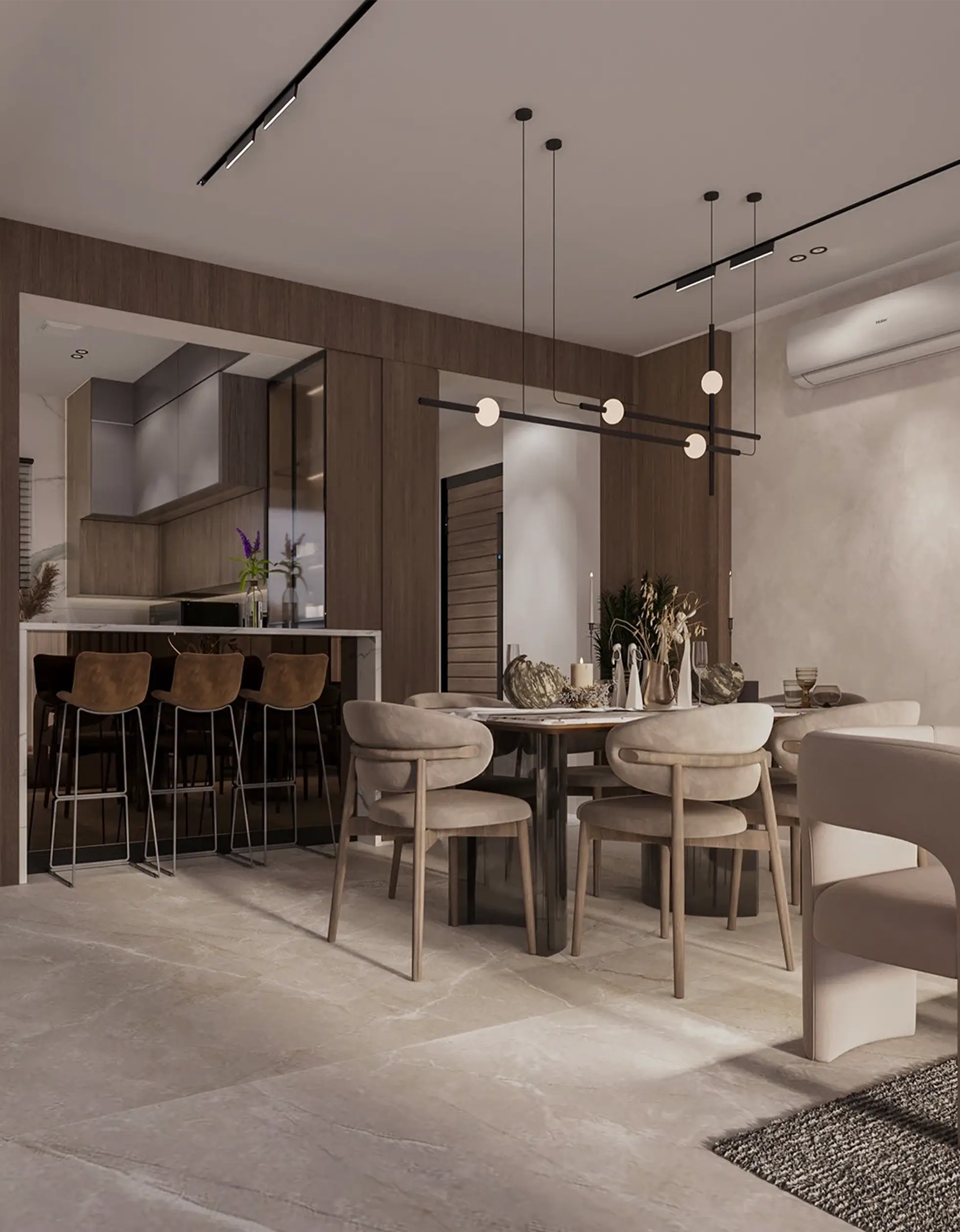
How Interior Design Impacts Productivity in Commercial Spaces
Introduction
In today’s competitive business environment, commercial spaces are no longer just places to work — they are environments that directly influence performance, efficiency, and employee well-being. Interior design plays a critical role in shaping how people interact with a space, how they feel within it, and ultimately, how productive they are.
At CONSMASS, we approach interior design as a strategic tool, not just an aesthetic choice.
1. Space Planning and Workflow Efficiency
Well-planned layouts reduce unnecessary movement, improve circulation, and support natural workflow. When employees can move easily between workstations, meeting rooms, and shared areas, efficiency increases and daily operations become smoother.
Thoughtful zoning also helps separate focused work areas from collaborative spaces, ensuring balance and minimizing distractions.
2. Lighting and Its Effect on Performance
Lighting has a direct impact on concentration and energy levels. Natural light improves mood, reduces eye strain, and enhances overall productivity. When natural lighting is limited, carefully designed artificial lighting solutions become essential.
Layered lighting — combining ambient, task, and accent lighting — creates comfortable work environments that support different tasks throughout the day.
3. Color Psychology in the Workplace
Colors influence behavior and emotions more than many realize. Neutral tones promote calm and focus, while strategic accent colors can stimulate creativity and motivation. Choosing the right palette helps reinforce brand identity while maintaining a productive atmosphere.
A balanced color scheme creates harmony without overwhelming the space.
4. Acoustics and Noise Control
Noise is one of the most common productivity disruptors in commercial spaces. Proper acoustic solutions — such as sound-absorbing materials, partitions, and ceiling treatments — significantly reduce distractions and improve concentration.
Good acoustic design ensures privacy where needed while maintaining openness and collaboration.
5. Ergonomics and Comfort
Furniture and workstation design directly affect physical comfort and long-term health. Ergonomic seating, appropriate desk heights, and flexible layouts reduce fatigue and support sustained productivity.
Comfortable employees are more engaged, focused, and satisfied with their work environment.
Conclusion
Interior design is not just about appearance — it is a strategic investment in productivity, efficiency, and employee satisfaction. By aligning design decisions with functional needs, businesses can create environments that support performance and long-term success.
At CONSMASS, we design commercial interiors that balance aesthetics, functionality, and efficiency — delivering spaces that work as hard as the people within them.
Looking to enhance productivity through smart interior design? Contact CONSMASS to discuss your commercial space.